
I didn’t start cycling in London because I wanted to transform my health. I started because the Tube was overcrowded, buses were unreliable, and walking everywhere felt too slow. Cycling was meant to be a practical solution nothing more. What I didn’t expect was how deeply it would change both my body and my mind. Living in London can be exhausting. The pace is relentless, the noise constant, and the pressure to be somewhere, doing something, all the time never really fades. Over time, that stress builds up quietly. For me, cycling became the unexpected release valve.
From Commuting Stress to Daily Movement
Before cycling, my days followed a familiar pattern: sit on public transport, sit at work, sit at home. Like many Londoners, I thought occasional gym visits were enough to balance it out. They weren’t. Cycling changed that without me even noticing at first. Suddenly, I was moving every single day not in a forced, artificial way, but naturally. Riding to work, cycling to the shops, meeting friends without relying on buses or trains. My body stopped feeling stiff and sluggish. My energy levels improved, and I no longer felt that mid-afternoon crash that had once been routine. The best part? It didn’t feel like exercise. It felt like living.
Building Strength Without the Gym Mentality
One of the biggest physical changes I noticed was strength. My legs became stronger and more defined, my core tightened, and my posture improved. Cycling through London’s varied terrain bridges, gentle hills, stop-start traffic works muscles you don’t even think about. Unlike the gym, there was no pressure to perform or push past discomfort just for the sake of it. Some days were slow, others fast. Some rides were effortless, others challenging. That balance made the habit sustainable. Over time, I realised I wasn’t just “fitter” I felt capable. Carrying groceries, walking long distances, and even climbing endless London stairs no longer felt like a chore.
The Mental Shift I Didn’t See Coming
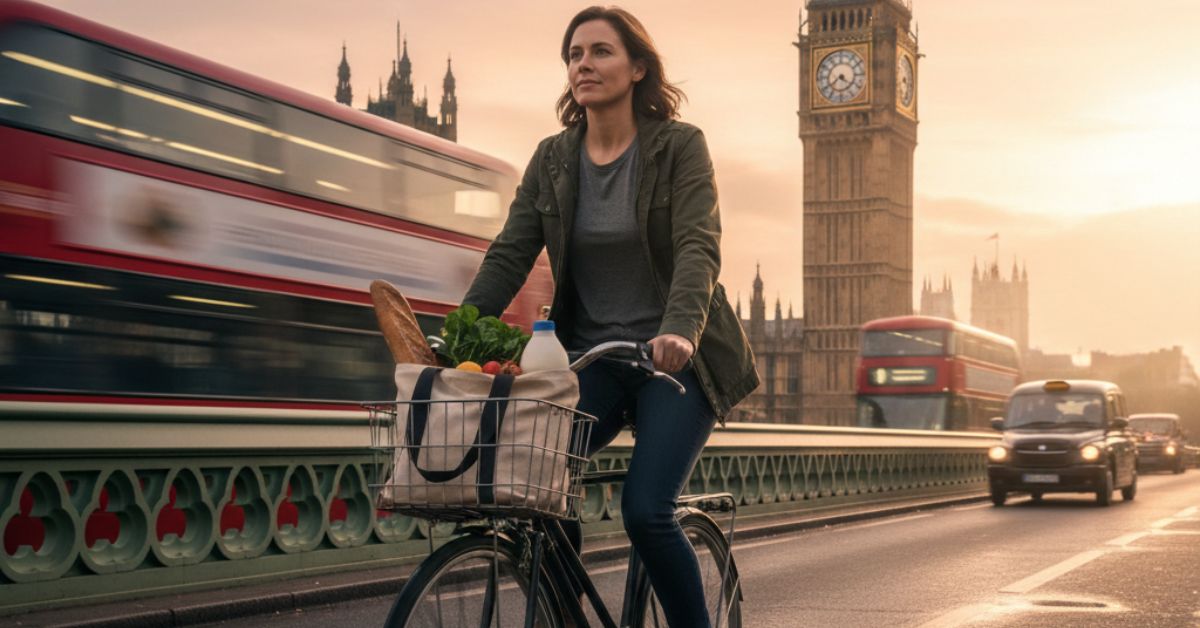
The mental health benefits were more surprising than the physical ones. London has a way of filling your head with noise emails, deadlines, crowded platforms, constant alerts. Cycling cut through that. On the bike, my mind had something simple to focus on: the road ahead, my breathing, the rhythm of pedalling. Even in traffic, there was a sense of presence I rarely felt elsewhere. Problems that felt overwhelming indoors often shrank once I was moving. Cycling became my thinking space. Some rides helped me process stress; others cleared my head completely. Either way, I always arrived calmer than when I left.
Reconnecting with the City Around Me
Cycling also changed how I experienced London itself. Instead of rushing underground, I started noticing things: quiet side streets, early-morning light on brick buildings, small cafés I’d never seen before. That sense of connection matters more than we realise. Feeling grounded in your environment can have a powerful effect on mental wellbeing. London stopped feeling like something I was battling against and started feeling like a place I was part of. Even short rides gave me the sense that I’d “done something” with my day, rather than just endured it.
Managing Anxiety Through Movement
Like many people, I’ve had periods of anxiety the kind that creeps in quietly and makes everything feel heavier. Cycling didn’t magically fix that, but it helped in a very real way. Movement gave the nervous energy somewhere to go. Fresh air helped regulate my breathing. Physical effort reminded my body that it was capable and strong, even when my thoughts were less kind. On days when motivation was low, I didn’t tell myself I was “going for a workout.” I told myself I was just riding to the next street. That was usually enough to get me going and once I did, the anxiety loosened its grip.
Sleep, Routine, and a Healthier Rhythm
Another unexpected benefit was better sleep. Cycling regularly helped regulate my body clock. I fell asleep faster, slept deeper, and woke up feeling less groggy. It also created a gentle daily rhythm. Morning rides helped me start the day with intention. Evening rides became a way to mentally clock off from work. In a city where boundaries often blur, that transition mattered. Cycling didn’t add pressure to my schedule it structured it.
Confidence Gained Beyond the Bike
Over time, cycling built confidence that spilled into other areas of my life. Navigating busy roads, learning new routes, and dealing with unpredictable situations made me more adaptable and resilient. There’s something empowering about moving through a city under your own steam. It reminded me that I didn’t need to rely on systems that often felt overwhelming. That independence quietly boosted my self-belief. I wasn’t just healthier I trusted myself more.

Not Every Ride Is Perfect And That’s Okay
It’s important to be honest: cycling in London isn’t always peaceful. There are stressful junctions, bad weather, and days when everything feels harder. But even those rides taught me something valuable how to manage discomfort without giving up. The key difference is choice. On a bike, I feel like an active participant in my day, not a passive passenger. That alone makes challenges easier to handle.
A Lifestyle Change, Not a Fitness Goal
Cycling didn’t transform my life overnight. It worked slowly, quietly, and consistently. It didn’t demand perfection or discipline just movement. That’s why it stuck. Over time, my physical health improved, my mental health stabilised, and my relationship with London softened. The city still has its challenges, but cycling gave me a way to move through them rather than absorb them.
Final Thoughts: Why I’ll Keep Riding
Cycling in London improved my physical and mental health not because it was extreme or impressive, but because it was sustainable. It became part of my everyday life a habit that supported me rather than drained me. In a city that rarely slows down, cycling gave me moments of calm, clarity, and control. And as more people discover the benefits of life on two wheels supported by local cycling communities and places like Camdencycles the idea of a healthier, more balanced London doesn’t feel so far out of reach anymore.