
Bike Security in London: 5 Signs Your Bike Brakes Need Attention
Cycling around London can be a great way to get to work, visit friends, run errands or simply enjoy the city. But with busy roads, pedestrians, traffic lights, junctions and unpredictable road conditions, your bike needs to be in good working order every time you ride.
Brakes are one of the most important parts of any bicycle. They allow you to control your speed and stop when you need to. A small braking problem might not seem serious at first, but ignoring it can make riding much less safe, especially when you are dealing with busy London traffic.
Many riders only think about their brakes when something goes badly wrong. In reality, your bike will usually give you warning signs before the brakes become a major problem.
Here are five signs that your bike brakes need attention.
1. Your Bike Takes Longer to Stop
One of the clearest signs of a braking problem is when your bike takes noticeably longer to stop than it used to.
You may pull the brake lever as normal, but the bike does not slow down as quickly. Perhaps you have started squeezing the lever harder than usual, or you need to begin braking much earlier when approaching junctions.
This can happen for several reasons. Brake pads may have worn down, the braking surface may be dirty, or the cable may have stretched on a bike with mechanical cable-operated brakes. Hydraulic brakes can also develop problems that affect braking performance.
London riding often requires quick reactions. A pedestrian may step into a cycle lane, a vehicle may turn across your path or traffic ahead may suddenly stop. Good brakes give you more control when these situations happen.
If you notice that your stopping distance has increased, do not simply adjust your riding style and carry on. Have the brakes checked and find out what is causing the change.
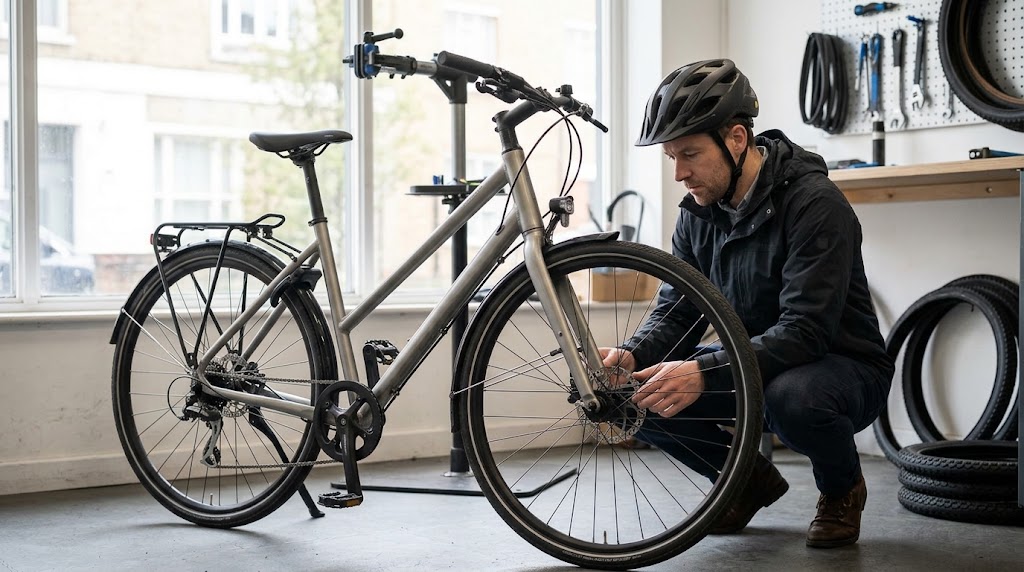
2. The Brake Lever Feels Too Loose
Your brake lever should feel firm and predictable when you use it. If the lever suddenly feels loose, soft or travels much closer to the handlebar than normal, it is worth investigating.
On cable-operated brakes, a loose-feeling lever can sometimes be linked to cable tension or worn brake pads. If the lever pulls almost all the way to the handlebar before the brakes properly engage, there may not be enough braking power available when you need it.
This is particularly important if the change has happened gradually. Riders sometimes become used to the feeling and do not realise how much the braking performance has changed.
Try using each brake separately in a safe location at low speed. Pay attention to how quickly the bike slows and how the lever feels. Both brakes should provide controlled braking without requiring excessive force.
Do not wait for the lever to touch the handlebar before taking action. A brake lever that feels significantly different from normal deserves attention.
3. You Hear Squealing, Grinding or Unusual Noises
Not every brake noise means there is a serious problem, but unusual sounds should not automatically be ignored.
A light squeak can sometimes be caused by moisture, dirt or contamination on the braking surface. London roads can expose bikes to plenty of water, dust, road grime and grit, particularly during wet weather.
However, a harsh grinding or scraping sound can be more concerning. It may indicate that brake pads are badly worn or that something is making unwanted contact with the braking surface.
If you use disc brakes, check whether the noise is coming from the rotor and caliper area. With rim brakes, inspect the brake pads and the part of the wheel rim where the pads make contact.
Do not try to solve a serious noise simply by adding lubricant. Brake components need clean, dry braking surfaces, and getting oil or lubricant onto the pads or rotor can seriously reduce braking performance.
If cleaning does not solve the problem, or if the noise is accompanied by poor braking, get the bike inspected.
4. Your Bike Pulls to One Side When Braking
When you apply the brakes, your bike should slow down in a controlled and predictable way. If it suddenly pulls strongly to one side, there could be an issue with the way the brakes are operating.
On bikes with rim brakes, one brake pad may be positioned incorrectly or one side of the braking system may be engaging differently from the other. A wheel that is not properly aligned can also affect how the bike behaves.
With disc brakes, problems around the caliper, pads or rotor may affect braking performance.
This issue can become particularly noticeable when riding at higher speeds. A bike that moves unexpectedly to one side when you brake can make it harder to maintain your line, which is not ideal when riding alongside traffic.
If you notice the bike pulling during braking, test it in a safe, quiet area rather than trying to diagnose the problem in the middle of a busy road.
It is also worth remembering that front and rear brakes have different effects on the bike. Good braking technique involves using both brakes smoothly rather than relying entirely on one.
5. The Brake Pads Look Worn
Sometimes the easiest way to spot a brake problem is simply to look at the brake pads.
Brake pads gradually wear down through normal use. The more frequently you ride and brake, the faster they can wear. Commuters who ride through London every day may put considerably more use through their brakes than someone who only rides occasionally.
Take a close look at the pads and compare them with how they looked when they were new.
On rim brakes, look for the grooves or wear indicators on the pad where available. If the pad material is becoming very thin, it is time to consider replacement.
Disc brake pads can also be inspected through the caliper. If there is very little friction material remaining, they should be replaced before braking performance becomes seriously affected.
It is also important to look for uneven wear. If one pad appears to be wearing much faster than the other, there may be an alignment or mechanical issue that needs attention.
Replacing brake pads at the right time is generally much better than waiting until they are completely worn out.
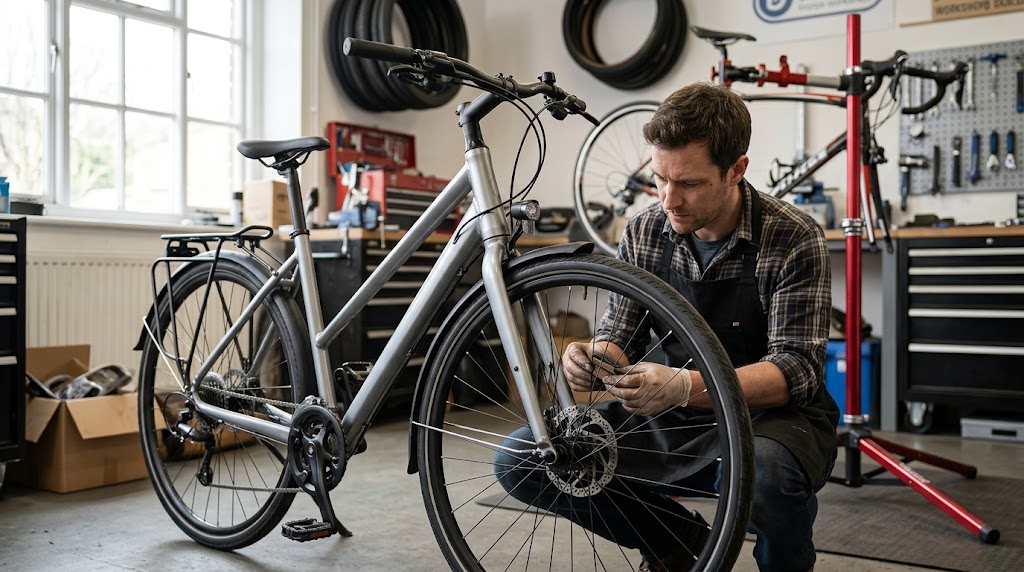
Why London Riding Can Put Extra Demand on Your Brakes
Brakes experience different levels of stress depending on where and how you ride.
A London commuter may stop repeatedly at traffic lights, pedestrian crossings and busy junctions. You may also need to slow down for buses, taxis, cars, pedestrians and other cyclists.
Wet weather adds another factor. Water and road dirt can affect braking performance, while repeated riding through puddles and grime can contribute to faster wear of certain components.
If you regularly ride downhill, carry luggage or use an electric bike, your braking system may also experience additional demands.
This does not mean you need to worry about your brakes every time you ride. It simply means that regular checks are a sensible part of looking after your bicycle.
A Simple Brake Check Before You Ride
You do not need to be a professional mechanic to perform a quick brake check.
Before setting off, squeeze each brake lever and make sure it feels reasonably firm. Check that the bike slows when you apply the brake and that the lever does not pull unusually close to the handlebar.
Take a quick look at the brake pads and make sure nothing looks obviously damaged, loose or excessively worn.
If you have disc brakes, look at the rotor for obvious damage or contamination. With rim brakes, check the braking surface and make sure there is no obvious debris caught around the pads.
It only takes a minute or two, but that small check can help you spot a developing problem before it becomes a bigger issue.
Do Not Ignore Small Changes
One of the biggest mistakes cyclists make is waiting until a component completely fails before getting it checked.
Brakes rarely go from perfect to completely unusable without giving some warning. A change in lever feel, unusual noise, reduced stopping power or visible pad wear can all be signs that something needs attention.
The sooner you identify the problem, the easier it may be to deal with.
If you are unsure about a brake problem, it is better to have the bike inspected by someone who knows what they are looking for. Brake systems are safety-critical components, so repairs should be carried out properly rather than relying on guesswork.
Stay Safe on London’s Busy Roads
Good brakes are not just about stopping at the end of a journey. They give you control throughout the ride.
Being able to slow down smoothly helps you approach junctions, negotiate traffic and respond to unexpected situations. This is especially important in a busy city where road conditions can change within seconds.
Alongside keeping your brakes in good condition, remember the basics of safe cycling: stay alert, use appropriate lights when required, follow road signs and signals, and give yourself enough space and time to react.
A well-maintained bike will not remove every risk from cycling, but it can help you stay in control when you need it most.

Keep Your Bike Ready for Every Ride
Your brakes deserve regular attention, whether you use your bike every day or only take it out at weekends. Look out for longer stopping distances, loose brake levers, unusual noises, uneven braking and worn pads. These simple warning signs can help you identify problems before they become more serious.
If you are experiencing any of these issues or simply want your bike checked before your next ride, Camden Cycles can help you keep your bicycle in good working order. Regular maintenance can make your bike more reliable, give you greater confidence on London’s roads and help you enjoy every journey with one less thing to worry about.