
Why Short Bicycle Journeys Can Be Harder on Your Bike Than You Expect
Many cyclists assume that short journeys put very little strain on their bicycles. Riding to the local shop, travelling a short distance to work or popping out to meet a friend may seem less demanding than a long ride. However, frequent short trips can affect different bicycle components in ways that are easy to overlook.
Unlike longer journeys, short rides often involve repeated stops, sudden changes in speed and frequent braking. The bicycle may also spend more time parked outdoors between trips, exposing it to rain, dirt and changes in temperature. Over time, these everyday conditions can contribute to wear and make regular maintenance more important.
Understanding how short journeys affect your bicycle can help you keep it in good condition, avoid unnecessary repairs and enjoy a smoother ride.
1. Frequent Stops Put More Demands on Your Brakes
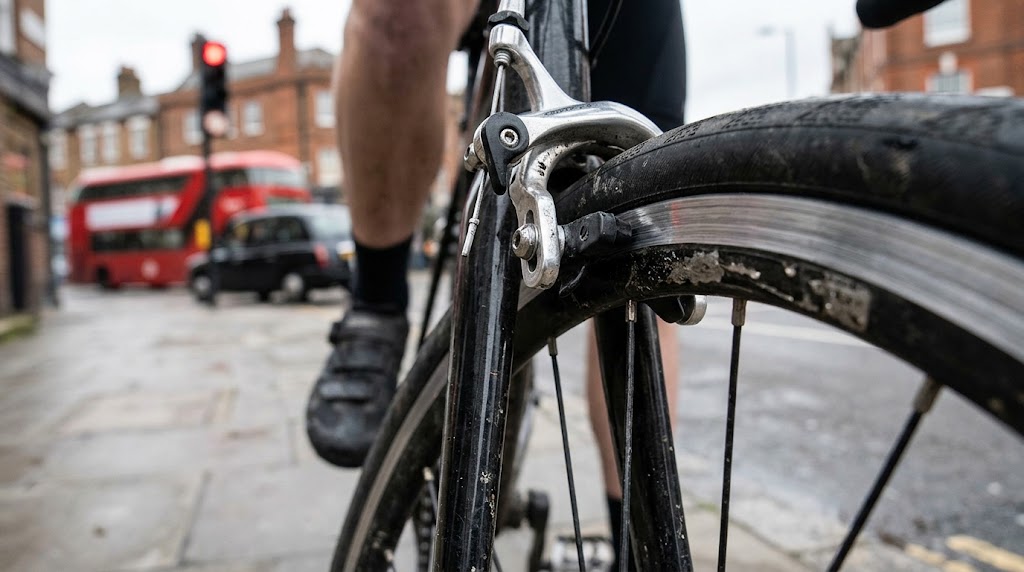
One of the biggest differences between short urban journeys and longer rides is the number of times you need to stop. Traffic lights, pedestrian crossings, junctions and busy roads often require cyclists to slow down or come to a complete stop.
Every time you brake, the brake pads and braking surfaces experience friction. With regular use, this causes gradual wear. If you frequently ride through busy streets, your brakes may need attention sooner than you expect.
Wet weather can make the situation more demanding, particularly for rim brakes. Water, grit and road dirt can collect around the braking surfaces and affect performance.
To keep your brakes working properly, check the pads regularly for signs of wear and make sure the brakes engage smoothly. If you notice squeaking, rubbing, reduced stopping power or a lever that feels unusually loose, have the system inspected.
Allowing small brake problems to continue can lead to more expensive repairs. A quick inspection before a journey is a simple way to spot potential issues early.
2. Stop-Start Riding Can Affect Your Drivetrain
Short journeys around town often involve accelerating from a standstill, slowing down for traffic and changing gears to suit different road conditions. These repeated changes place demands on the chain, cassette, chainrings and gear system.
The drivetrain works best when the chain is clean, lubricated and running smoothly. If dirt builds up or lubrication becomes insufficient, friction can increase and components may wear more quickly.
Gear selection also matters. Trying to accelerate in a very high gear can put unnecessary strain on the drivetrain and make starting from traffic lights harder. Changing to a suitable lower gear before stopping can make it easier to move off again.
After riding in wet or dirty conditions, inspect the chain and wipe away any visible grime. Apply bicycle-specific chain lubricant when needed, following the product instructions, and remove excess lubricant to prevent it attracting more dirt.
If the chain begins to skip, the gears hesitate or the drivetrain becomes unusually noisy, investigate the cause rather than ignoring it.
3. Cold Starts Can Make Riding Feel More Difficult
A bicycle that has been sitting in a cold shed, garage or outdoor location may feel different when you first set off. The weather itself can affect the rider, while tyre pressure and the condition of moving components also influence how the bicycle feels.
Tyres gradually lose air over time, regardless of whether the bicycle is used frequently. Temperature changes can also affect tyre pressure. If the pressure is too low, the bicycle may feel sluggish and require more effort to pedal.
Before setting off, check that both tyres feel properly inflated and use a pressure gauge when possible. Follow the pressure range printed on the tyre sidewall, adjusting it to suit the tyre, rider weight, load and riding conditions.
It is also worth checking that the brakes work correctly and the wheels rotate freely. If the bicycle has been stored in damp conditions, look for signs of rust or stiff movement around exposed metal components.
A few quick checks can make the first part of your journey more comfortable and help you identify problems before they become serious.
4. Short Trips Can Leave Your Bicycle Dirty
When a bicycle is used for only a few minutes at a time, it is easy to overlook cleaning. A quick trip through rain, muddy streets or dusty roads may not seem significant, but repeated exposure can allow dirt to accumulate.
Road grime can collect around the chain, gears, wheels, mudguards and brake areas. In wet conditions, this dirt may mix with water and spread across other components. If it remains for long periods, it can contribute to corrosion and increase wear.
You do not need to give your bicycle a complete wash after every short ride. Instead, pay attention to the conditions in which you ride. After a wet journey, wipe down the frame and remove dirt from the chain and drivetrain where necessary.
Avoid directing high-pressure water at bearings, hubs or other sensitive areas, as this can force water past seals. Once the bicycle is clean, dry the areas that are likely to retain moisture.
Keeping on top of small cleaning tasks is usually easier than dealing with a heavy build-up of grime later.
5. Tyre Problems Can Develop Between Short Journeys
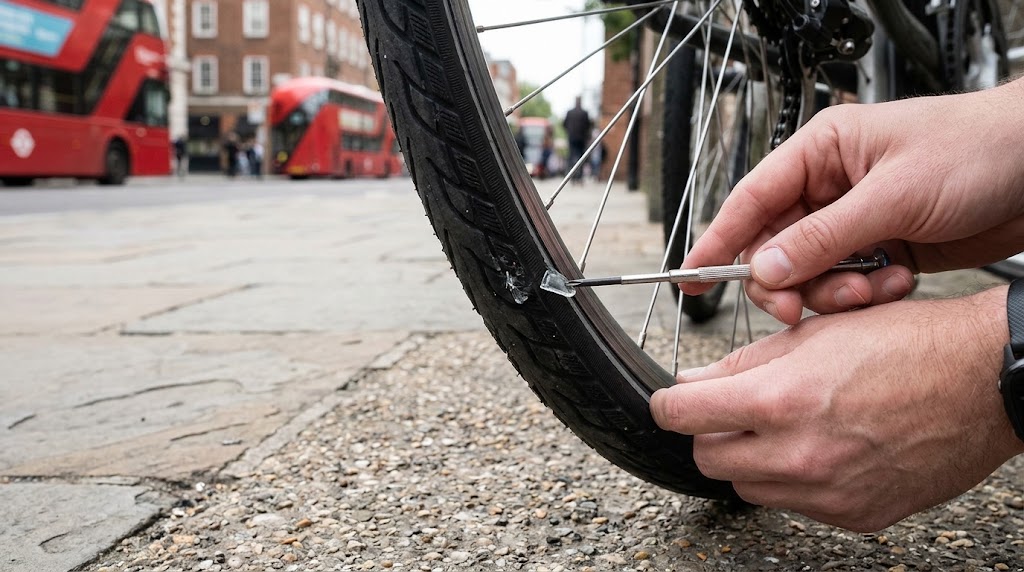
A bicycle can develop a slow puncture even when it is used only occasionally. A tiny piece of glass, a thorn or a damaged valve may allow air to escape gradually. Because the journeys are short, a rider might not immediately notice that the tyre pressure is dropping.
Riding on an underinflated tyre can make pedalling harder and increase the risk of pinch punctures, particularly when hitting potholes or sharp edges. Very low pressure can also affect handling.
Check your tyres regularly rather than relying only on how they feel when you squeeze them. Look for cuts, embedded debris, bulges and worn tread. If one tyre repeatedly loses pressure, investigate the cause instead of simply inflating it each time.
It is also useful to check that the wheels are properly secured and that the tyres are seated evenly on the rims.
These checks take very little time but can help prevent an unexpected stop halfway through a journey.
6. Repeated Short Rides Can Hide Small Mechanical Problems
Longer rides often make unusual noises or changes in handling more noticeable because the cyclist spends more time on the bicycle. During short journeys, riders may reach their destination before paying attention to a problem.
A loose component, rubbing brake, poorly adjusted gear or developing wheel issue may therefore go unnoticed for longer than it should.
Make a habit of listening to your bicycle as you ride. Clicking, grinding, persistent rubbing or unusual vibrations may indicate that something needs attention. Also notice whether the steering feels stable and whether the brakes respond as expected.
Before each trip, take a moment to check the tyres, brakes and main components. If you spot a loose part or a problem that affects safe handling, avoid riding until it has been checked and repaired.
Not every noise means that a major repair is needed, but identifying the cause early can prevent a minor issue from becoming more complicated.
7. Parking Between Trips Can Affect Bicycle Condition
Short journeys often mean the bicycle is parked several times throughout the day. Depending on where it is left, it may be exposed to rain, direct sunlight, dirt or accidental knocks.
Leaving a bicycle outside in wet weather can encourage rust on exposed metal parts, especially if moisture remains around bolts, the chain or other components. Poor storage can also increase the risk of theft.
Whenever possible, park your bicycle in a dry, secure location. Use a suitable lock and secure the frame to an immovable cycle stand. If outdoor storage is unavoidable, a breathable, waterproof bicycle cover can help protect it from the weather.
After riding in heavy rain, wipe away excess water before storing the bicycle. Pay particular attention to the chain and other components that require regular lubrication.
Good storage habits help maintain the bicycle’s condition, even when each individual journey lasts only a few minutes.
8. Create a Simple Maintenance Routine
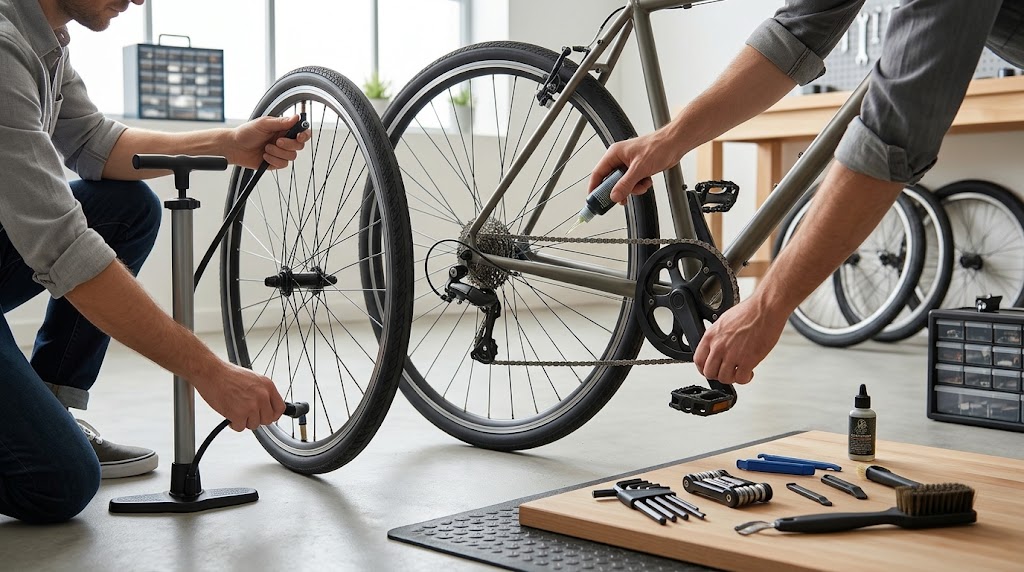
You do not need to spend hours maintaining your bicycle to keep it running well. A consistent routine is more useful than waiting until something goes wrong.
Before riding, check that the tyres are inflated, the brakes work and the wheels appear secure. During the week, pay attention to unusual noises, gear changes and any changes in handling.
After wet or muddy journeys, remove excess dirt and dry the bicycle where needed. Check the chain regularly and lubricate it when appropriate. Every so often, inspect the tyres, brake pads, cables and other components for visible wear.
The frequency of maintenance depends on how often you ride, the weather and the type of roads you use. A bicycle used daily in wet urban conditions may need more frequent attention than one used occasionally on dry paths.
If you are unsure how to inspect a particular component, a qualified bicycle mechanic can help. Regular servicing is especially useful when you notice persistent problems or when the bicycle has not been checked for a long time.
Conclusion
Short bicycle journeys may seem easy on your bike, but repeated braking, stop-start riding, dirty roads, changing weather and frequent outdoor parking can gradually affect its condition. The good news is that most everyday problems can be managed with a few simple checks and a consistent maintenance routine.
Pay attention to tyre pressure, keep the drivetrain clean, inspect the brakes and investigate unusual noises before they develop into bigger issues. These small habits can help your bicycle remain comfortable, reliable and ready whenever you need it.
Whether you use your bicycle for commuting, shopping or quick trips around town, Camden Cycles can help you find suitable cycling accessories, replacement parts and maintenance support to keep you moving. Taking care of your bicycle between short rides is a practical investment in safer, more enjoyable cycling.